HelixHold Drone Net

An engineered physical protection layer for critical infrastructure

HelixHold Drone Net combines high-performance netting, site-specific steel frames and screw pile foundations into one passive C-UAS system. Foundation points can be installed during normal operations, so the site is ready when protection is needed.

Built for critical infrastructure operators, defence organisations and the security professionals responsible for exposed high-value assets.

Prepared in advance. Ready when needed.

Preliminary site information is sufficient for an initial technical review.

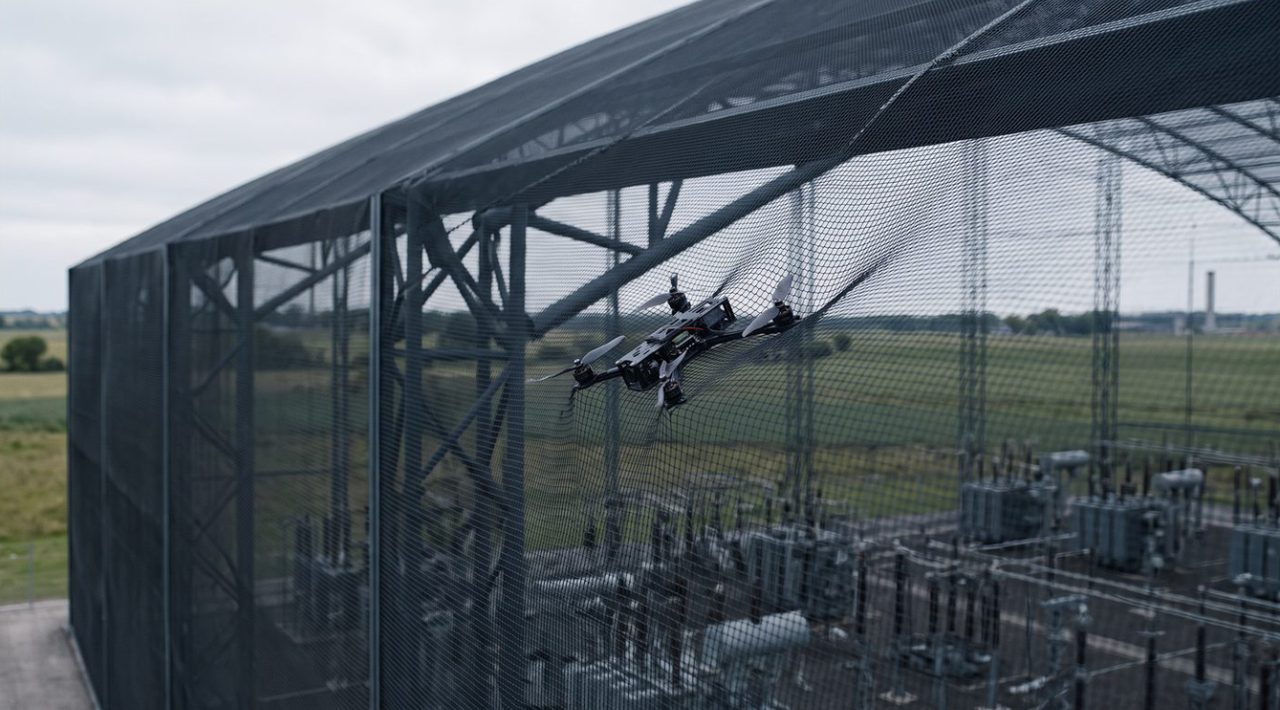
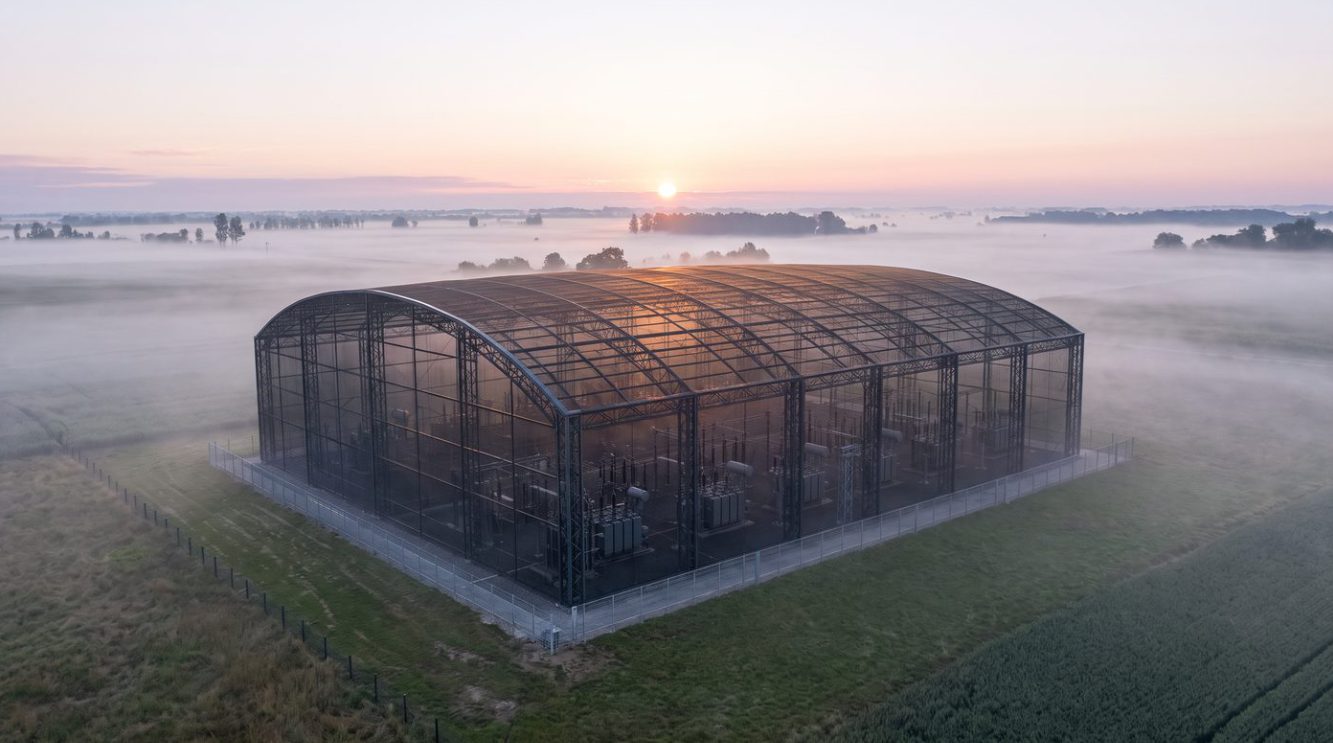
Concept illustration A substation protected by a steel frame and drone net at sunrise
Protection capability

Engineered for the agreed threat

The protection level is defined through project-specific engineering, the protected asset and the agreed threat scenario.

Base system

Category 3–4

Base UAV impact capability

The base system is dimensioned for Category 3–4 UAV impact.

Available option

Category 5

Project-specific option

Category 5 protection can be specified for the agreed threat scenario.

Available option

Ballistic-rated

Project-specific option

Ballistic-rated protection can be specified as part of the complete system.

Detailed classification criteria, design assumptions and supporting technical data are available for qualified projects under NDA.

Applications

Protection concepts for exposed critical assets

Each layout is built around one asset and the space available around it.

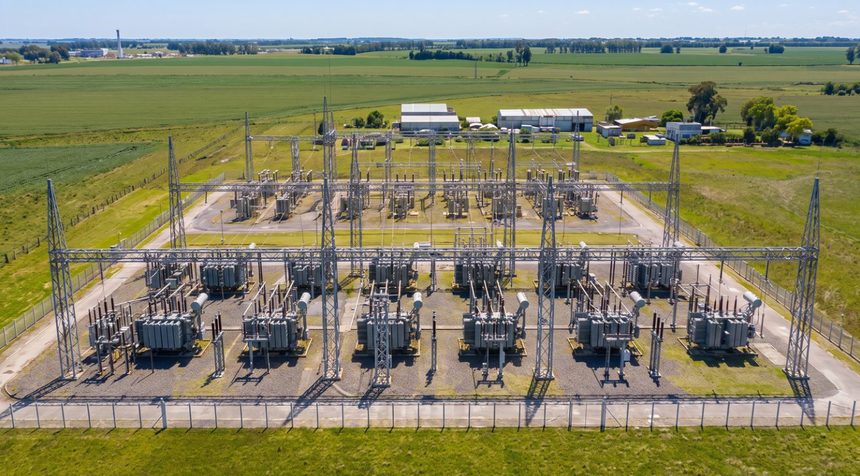
Concept illustrationEnergy infrastructure

Energy infrastructure

Substations, transformers and energy storage sites.

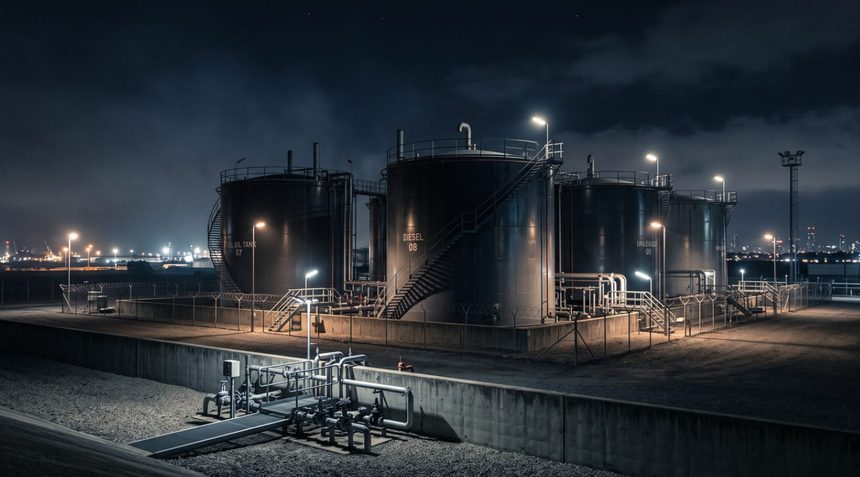
Concept illustrationFuel and storage

Fuel and storage

Tanks, loading areas and exposed storage assets.

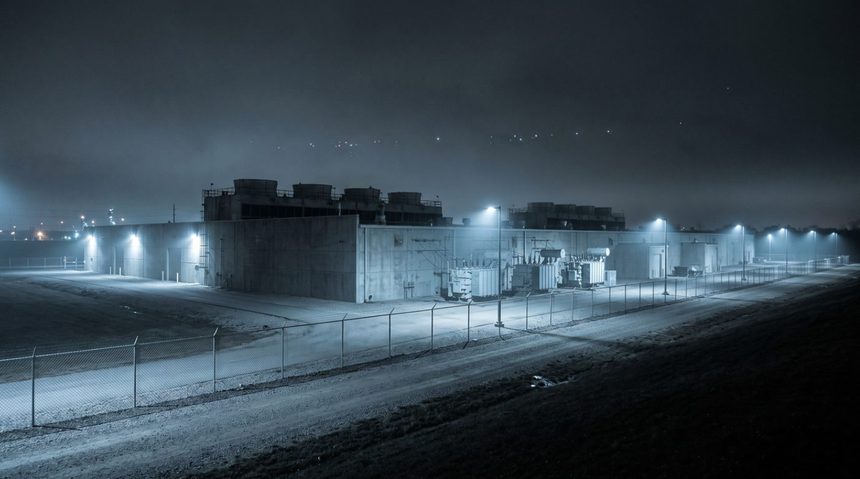
Concept illustrationIndustrial and logistics

Industrial and logistics

Outdoor plant, ports, terminals and logistics yards.

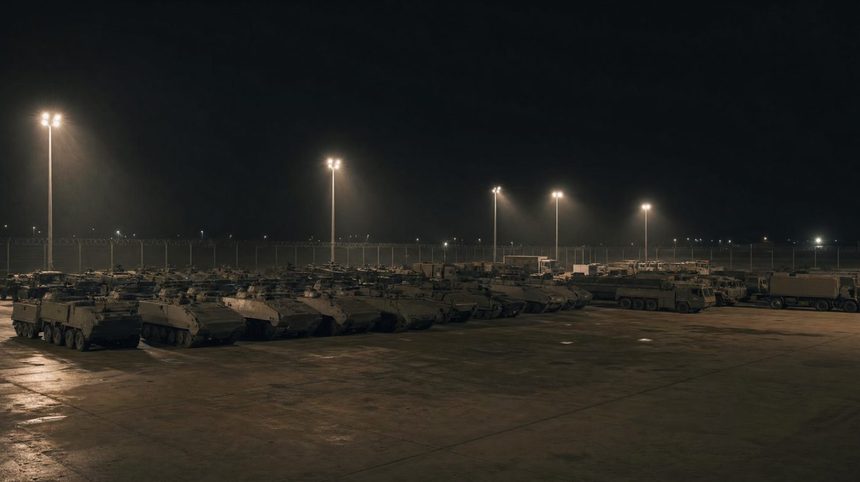
Concept illustrationDefence and public infrastructure

Defence and public infrastructure

Depots, equipment in the open, water, communications and emergency services.

Data centresRailChemical plantsMiningGovernment storage

Concept film

See how HelixHold works

The asset, the threat, and how the foundations, frame and netting go up around it.

0:00 / 0:00
Layered protection

A passive layer within a layered C-UAS strategy

Detection and active countermeasures reduce the risk of a UAV reaching the asset. A physical barrier adds a continuously available final layer around the protected zone.

The impact may be local. The consequences are not.

Detection and interception reduce the chance of contact. A physical layer addresses what happens if contact still occurs.

Active systems are not present at every site, at all times.

What is hit is often built to order and slow to replace.

One engineered package

Netting, frame, foundations and design support are defined as one project scope, with the interfaces between them agreed.

Prepared before it is needed

The below-ground work is done while the site is running normally, so deployment starts from a prepared site.

Independent of power and signal

A physical layer keeps working without electricity, software or radio frequency availability.

One system

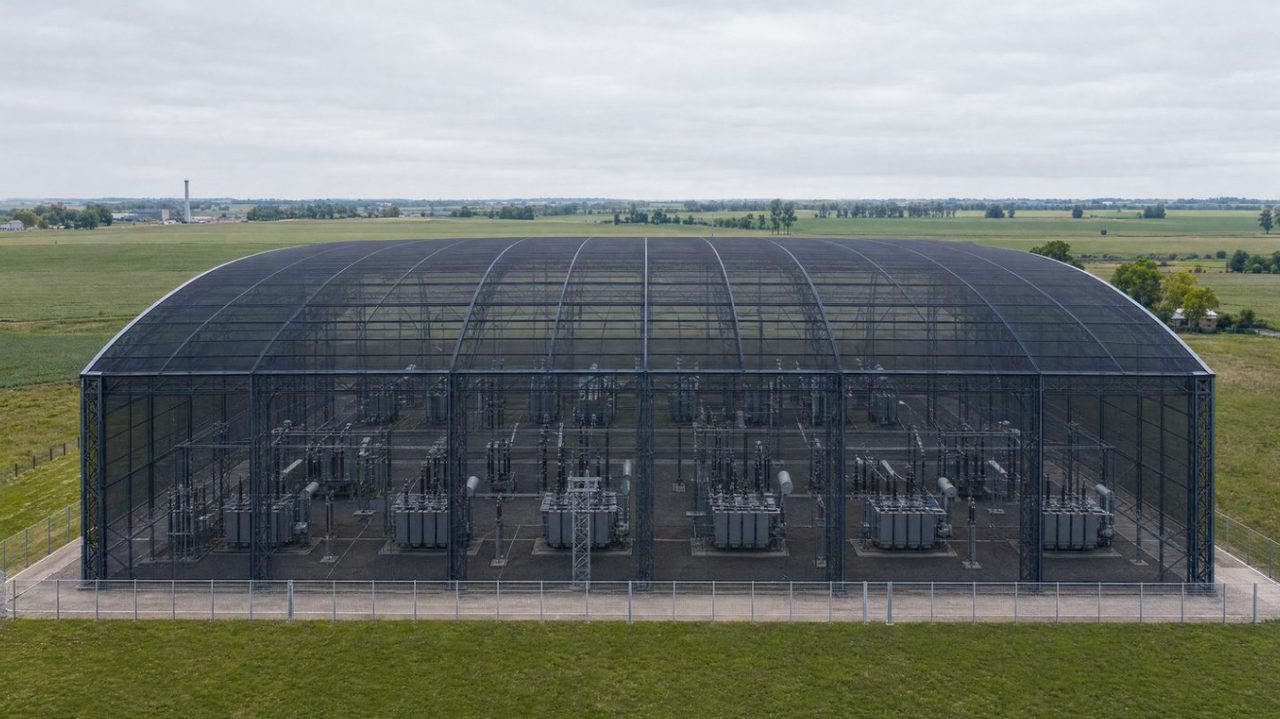
The complete HelixHold package

Foundations, frame and netting are delivered as one package, with the interfaces between them defined from the start.

Concept illustrationA completed HelixHold enclosure over a substation, foundations, frame and netting as one system
Above ground

High-performance drone netting

The impact-rated physical barrier, specified against the agreed threat assumption.

Steel frames

Site-specific structure around the protected asset.

Ground level
Below ground

Screw pile foundations

Below-ground anchoring points prepared for the frame.

Across the whole system

Design support

Technical data and project-specific support.

The scope is defined project by project, so responsibilities and interfaces are clear.

The model

How HelixHold works

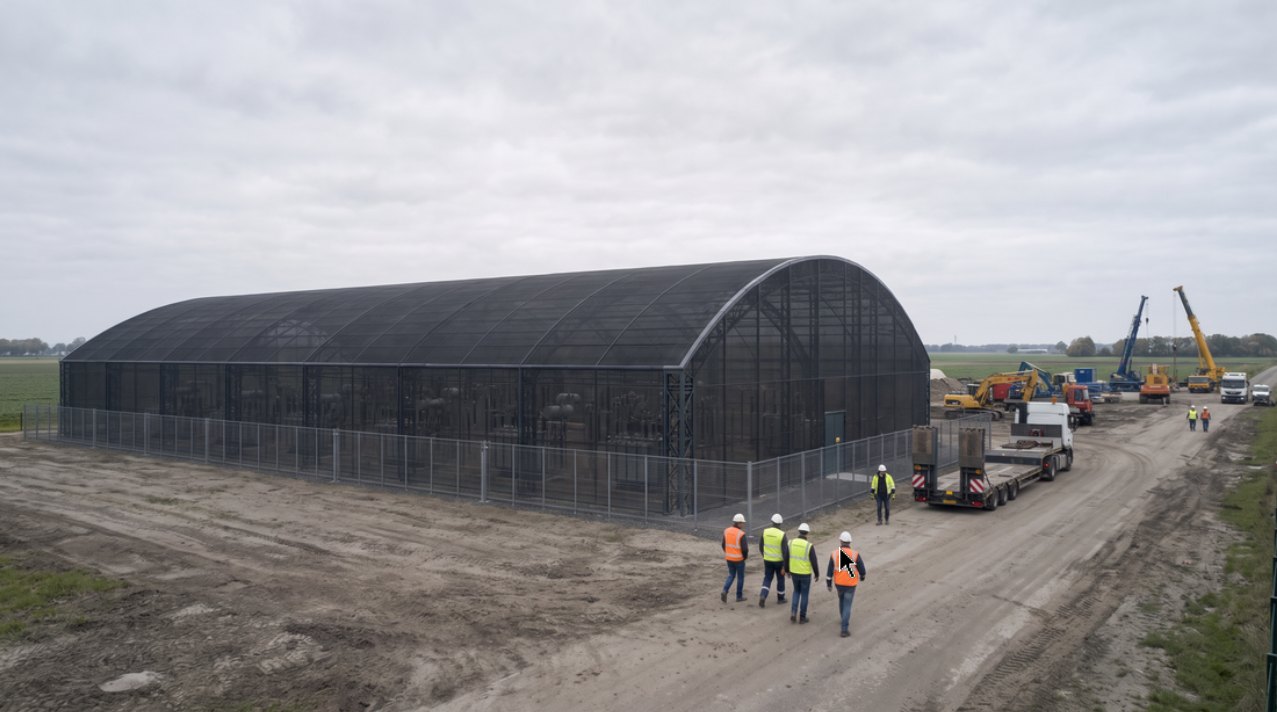
Concept illustrationA completed HelixHold structure over a substation, with the site team and delivery transport alongside it
01

Site reviewed

Asset, layout, ground and risk profile are assessed.

02

Foundations prepared

Screw pile points installed in advance, during normal operations.

03

System made ready

Frame and netting engineered, manufactured, delivered and stored.

04

Deployment from readiness

When the threat level rises, the essential preparation is already in place.

Deployment starts from readiness. Not from zero.

Discreet readiness

Prepared below.Clear above.

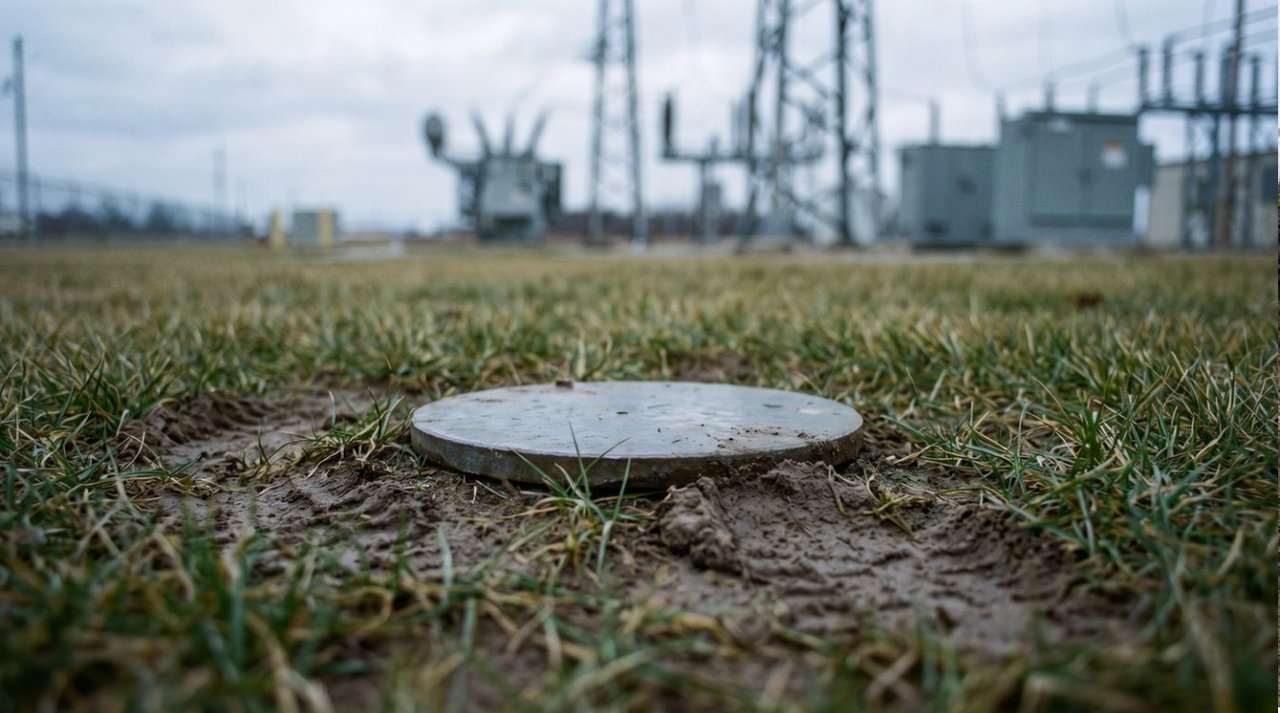
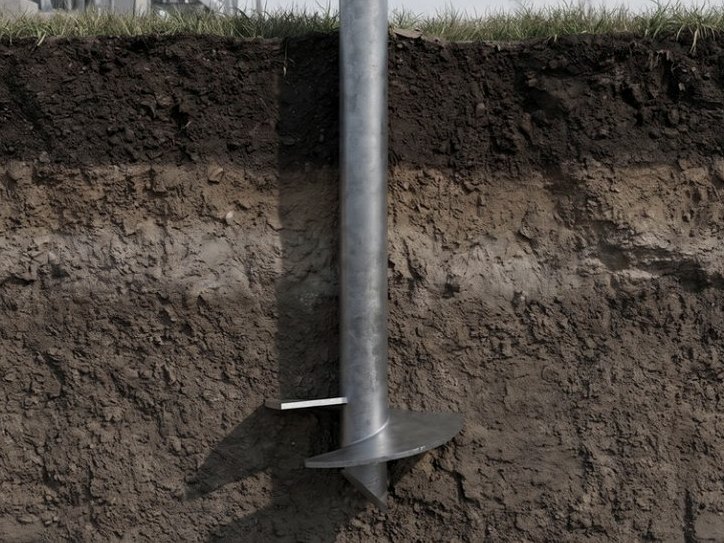
Foundation points can go in during normal operations, including through asphalt. Where the site and connection detail allow it, they can be capped at ground level or hidden just beneath the surface.

  1. 01Normal operationSite remains clear.
  2. 02Foundation preparedCapped or hidden just beneath the surface.
  3. 03DeploymentFrame connects to prepared points.

The same points carry wind load, net tension and impact into the ground.

01 A foundation point capped at ground level, with the site around it clear and in normal use Concept illustration
01 Normal operation. Site remains clear.
02 Section view below the surface, showing a prepared screw pile foundation point and its helix plate in the ground Concept illustration
02 Foundation prepared, below the surface.
03 Detail drawing FRAME COLUMNBASE PLATEPILE HEADGROUND
03 Deployment. Frame connects to prepared points.
Minimal disruptionWhere screw piles suit the ground, there is no excavation, no cast-in-place concrete and no curing time.
Ready connectionThe visible structure bolts to foundations that are already in the ground.
Design and capability

How performance is defined

The base system is dimensioned for Category 3–4 UAV impact. Category 5 and ballistic-rated options are specified separately. The final structure follows the protected asset, the threat profile, impact energy, stand-off distance, frame geometry and ground conditions.

  • Category 3–4 UAV impact capability
  • Category 5 options available
  • Ballistic-rated options available
  • The threat assumption is agreed with the operator or the relevant authority and written into the design basis
  • Netting, frame and foundations are sized as one load path, from impact through to the ground

Detailed classification criteria, design assumptions and supporting technical data are available for qualified projects under NDA.

Arched canopy or tunnel

Vehicles, aircraft and larger open zones.

Rectangular enclosure

Transformers, storage units and fuel areas.

Hybrid and partial layouts

Complex sites and irregular footprints.

Technical insights

Before you specify passive drone protection

What has to be decided, and what a first technical review actually needs.

01Preparedness

A Resilience Plan Is Not Physical Protection

A written plan may identify the need for protection. The site still has to be made ready.

4 min readRead insight
Behind HelixHold

Established component expertise behind a new system

HelixHold is built by Paalupiste. The foundation experience is Paalupiste’s own, the netting experience belongs to the specialists who supply that part.
HelixHold brings them together, and the complete system is engineered and supplied from Finland.

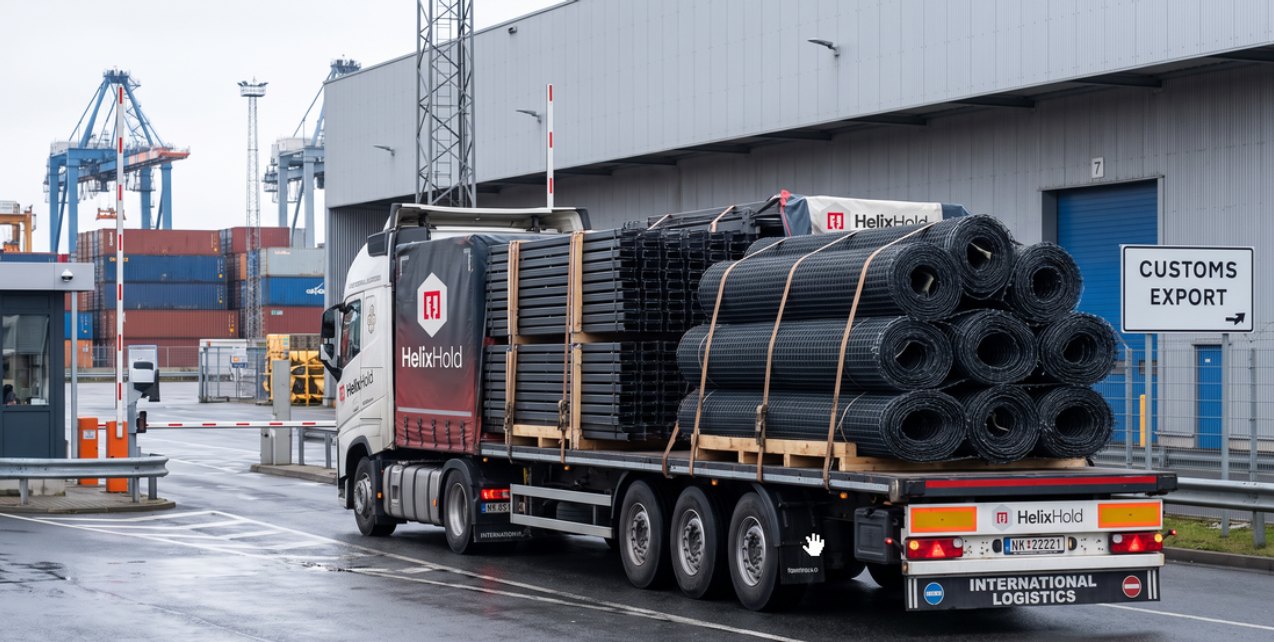
Concept illustrationFrame steel and netting loaded for export, leaving for an international project
Steel fabrication to EN 1090 · ISO 9001 and ISO 14001 management systems · Engineered and supplied from Finland · Delivered internationally
700,000+
screw piles delivered
25+
years in foundations
40+
years of protective netting
Made in Finland

These figures describe the components and the companies behind them. They are not a record of installed HelixHold systems.

EN 1090 covers steel fabrication. ISO 9001 and ISO 14001 are management system certifications. Neither is a performance rating for the protection system.

Inquiry

Start with an initial technical review

Approximate information is enough, and only the first step is needed to make contact.

We will identify the next technical details required.

Protection scope

Start with what needs protection. We can refine the geometry later.

Approximate size known?
The only thing we need is an email or phone number. Everything else is optional.

We use these details only to prepare and reply to your site review. See the privacy notice.
Do not submit sensitive site information, drawings or detailed asset data through this form. We will agree a secure channel for those separately.

Or email us directly, or call +358 19 52 12 312.

Defence and government: request a confidential technical briefing. We can work within national security procurement and accreditation requirements.

Questions and answers

Common questions

Does HelixHold replace detection or jamming systems?

No. Detection and active countermeasures reduce the chance of a UAV reaching the asset.

HelixHold is the physical layer around the protected zone, for the case where one still does.

Can the site be prepared before the visible structure is installed?

Yes. Where ground conditions and the connection detail allow it, foundation points can be installed in advance and capped at ground level, covered or hidden just beneath the surface.

If the frame and netting should not sit on site in the meantime, we can arrange storage project by project and deliver when you are ready to deploy.

What makes HelixHold different from ordinary netting or fencing?

Aperture, pretension, edge termination, frame loads and foundations are specified together against an agreed threat assumption. Ordinary mesh on a fence line is not designed for UAV impact.

How is the protection concept defined?

It starts with the asset and the protected zone, then site layout, access, available space and ground conditions.

The structure is adapted to the site rather than selected from a catalogue.

What if screw piles cannot be installed?

Screw piles are usually preferred. They install quickly, transport compactly and create a below-ground anchor for the structure.

Where shallow bedrock, buried services or other site restrictions rule them out, HelixHold can be supplied with concrete counterweights instead.

What information is needed for a first review?

Asset type and location, approximate dimensions, the space available, surface or ground type, and how urgent it is. Approximate answers are enough to start.

What determines the final scope and delivery model?

Protected area, structure type, netting specification, foundation method, ground conditions, site access and installation scope.

The scope is agreed project by project, so responsibilities and interfaces are clear.

How is sensitive project information handled?

Sensitive site information should not be sent through the web form or ordinary email.

We agree an appropriate secure channel before drawings, layouts or detailed asset information are exchanged.

What technical information is available before a project starts?

Design assumptions, the load path from impact through to the ground, and the supporting technical data are available for qualified projects under NDA.

Published material is kept at concept level.
Two ways to start

A site review for infrastructure and industrial projects. A confidential technical briefing for defence, government and security-sensitive work.