A Resilience Plan Is Not Physical Protection
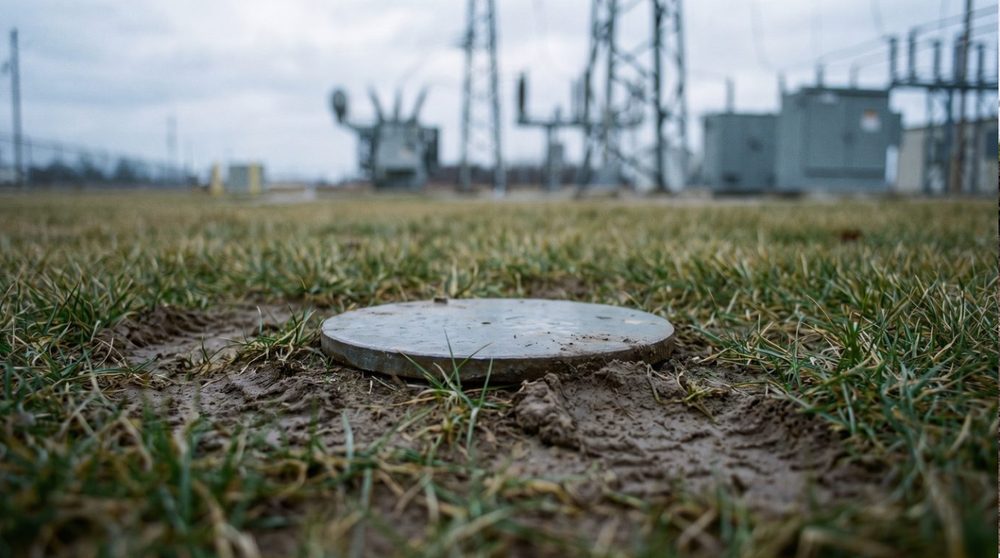
Physical readiness depends on practical site decisions: what is protected, where the system can stand and how it is anchored.
Written preparedness work is useful, but physical drone protection depends on site decisions that cannot be solved on paper alone.
A resilience plan is useful. It identifies risk, gives people responsibilities and may define when physical protection should be considered.
But it should not be mistaken for physical readiness.
Physical drone protection always becomes a site question. What needs to be protected, where the structure can stand, how it is anchored and what can realistically be prepared before the system is needed. These are not things a written plan can solve on its own.
They usually have to be checked against the actual place.
Physical protection becomes a site question
It is rarely enough to say that “the asset” needs protection.
On one site, the asset may be a transformer. On another, it may be a fuel tank, a battery container, a vehicle line, an entrance area or several items that need to stay accessible during normal operation.
That first decision affects the whole concept.
If the protected area is larger, the frame changes. If the frame changes, the foundation layout changes. If the foundation layout changes, access routes, ground conditions and buried services may need to be checked again.
None of this is unusual. It is normal site work. The problem is when these questions are left until the customer already wants the system installed.
A physical protection system has to fit the real site, not only the intention described in the plan.
The slow decisions should be made early
In urgent projects, the first delay is often not the most technical item.
It is a basic question that has not yet been answered.
Where can the foundations go? Can the installation equipment reach the line? Does the structure need to be removable? Can the visible frame stay in place, or must the area remain clear in normal use? Who is responsible for the interface between the netting, the steel frame, the foundations and the installation?
If those answers are missing, procurement becomes difficult. A net supplier can offer netting. A steel supplier can offer steel. A foundation contractor can offer foundations. The customer is still left with the part that matters most: making the pieces work together on that specific site.
That is why physical protection should not be treated only as a late purchase. Some decisions are better made while there is still time to think properly.
Preparation does not have to mean a visible structure
Preparing for physical drone protection does not always mean building the whole above-ground structure immediately.
For some sites, the right first step is a site review: what needs protection, what kind of UAV threat is being considered, where the protection line could be placed and what must remain accessible.
For other sites, it may be possible to prepare more.
Where ground conditions and connection details allow it, screw pile foundation points can be installed before the visible frame and netting are needed. They can be capped at ground level or, in some cases, kept low-profile or hidden just below the finished surface.
The site can remain usable in normal operation.
The frame and high-performance drone netting can then be engineered, manufactured, delivered or stored according to the project model. Storage is arranged project by project where needed, but the important point is that the project does not have to start from a blank page when the visible system is required.
Preparation can be partly invisible.
What HelixHold helps define
HelixHold is built around a practical sequence.
First, define what needs to be protected. Then define where the protection line can realistically stand. After that, the netting, frame and foundations can be considered together instead of as separate purchases.
The high-performance drone netting is the visible protection layer. The steel frame holds it in the required position. The screw pile foundations anchor the structure and make advance preparation possible where the site allows it.
The value is not only in the individual components. It is in reducing the uncertainty between them.
A net cannot be specified properly without understanding how it will be held. A frame cannot be designed properly without knowing how it will be anchored. A foundation layout is not just a ground detail if the whole system depends on where the protection line sits.
A written plan can say that physical protection may be needed.
A prepared protection concept answers the next practical question: what would actually be installed, where would it stand and what can be prepared before the situation becomes urgent?
Planning protection for an exposed asset?
Send the information you already have. We will identify the next technical details required.
Request a site reviewRequest a technical call